Showing posts with label medical interpreters. Show all posts

Tuesday, September 7, 2021

TELEHEALTH AND TELEMEDICINE – AN INNOVATIVE APPROACH

 Interpretation services in Telehealth and Telemedicine

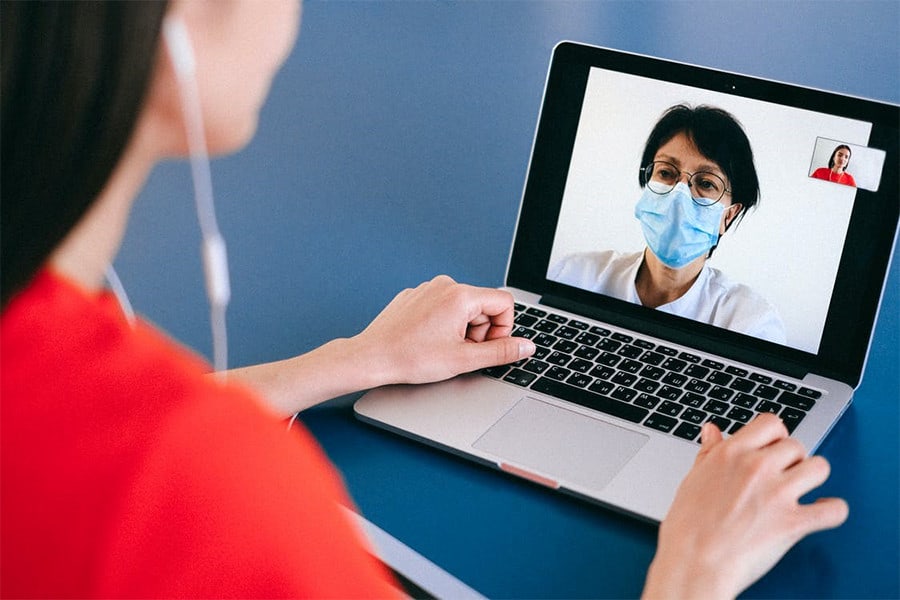
Driven by the lethal COVID-19, doctors and the whole healthcare industry looked upon telemedicine to shorten the distance and making things work. We all know how telehealth and telemedicine emerged as the new era of innovation and saving human lives. Taking a glimpse into innovative approaches that telemedicine brought – these not only provided a more efficient experience for patients and healthcare professionals but also deliver the best services for those who may be difficult to access. It also included the use of professional interpretation services that played an important role in better communication.  

Interpretation services in telehealth enables doctors to remotely assess, make a diagnosis, and take care of the patients. This method has achieved shocking developments in the past decade. This is so because the desire for more professional care coupled with the availability of smooth interpretation services, made this field a progressively significant part of the infrastructure. The increasing popularity of telemedicine with interpretation services has benefited doctors by making the reduction in hospital stays, and promoted innovation. The telemedicine and interpretation services offer various providers a privileged channel to interconnect on the same platform, thus centralized all the statistics. 

1. Remote Patients’ Screening  

Since the impact of COVID-19, doctors are now making use of online sessions and questionnaires to classify patients, while higher authorities are communicating with people to obtain more data via the professional interpreters. This ensures that people and medical staff do not face pointless risks while at the same time they use remote interpretation. These online participation and remote screening approaches are becoming more common because of the ability to lessen hospital stays, save resources and manage time. For example, video remote interpretation can support patients to get back in shape by adding health monitoring.   

2. Attending Patients 

With the initiation of telemedicine, the doctors are now quickly attending patients. The certified medical interpreters enable people to make appointments that fit their routines while maximizing better communication. These interpretations agencies use personalized ways to prompt patients of online sessions so they can align links to other educational content. This permits real-time collaboration with the patient and helps to have more flexible time. This not only provides patients with greater comfort but also gives better opportunities for treatment and timely diagnosis no matter where they live. 
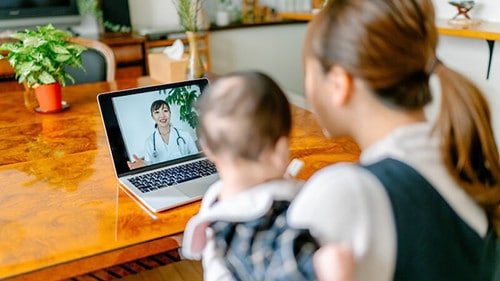
professional interpreters and remote interpretation

3. Real-Time Collaboration 

Real-time collaboration with patients provide more expertise in healthcare networks especially in remote areas where qualified personnel may be scarce. Therefore, using a real-time collaboration with professional interpreters can assist doctors and patients in remote locations during online screening. Besides, doctors can use the same platforms to immediately reassure patients and interpret the examination results remotely with the help of interpreters. Now these doctors can help the fellow colleagues through a webcam and remote interpretation so they can understand all the advantages and disadvantages of a particular operation or treatment. 

4. Remote Support  

The remote intensive care unit is another good example of how medical interpreters can expand the vision of doctors. Predictive analysis and remote interpretation will remind the doctors to pay attention to the deterioration of patient’s condition and enable them to intervene rapidly if necessary. In addition, remote intensive care units can solve the problem of lack of intensive care personnel. For example, ICU’s remote collaboration can closely monitor patients in hospitals to reduce the burden of traditional doctor’s duties. 

Conclusion  

There’s no denying the fact that doctors and the healthcare sector advanced greatly by the help of professional medical interpreters and the aspects of telehealth. However, the potential benefits or future approaches may go beyond our imagination, depending on the new techniques we can come up with. We at Languagers, ensure that the professional medical interpretation results in greater patient comfort, lower expenses, and the ability to respond to medical cases earlier to dodge unnecessary readmissions. 

Friday, August 20, 2021

TELEHEALTH AND TELEMEDICINE – AN INNOVATIVE APPROACH

 Interpretation services in Telehealth and Telemedicine

Driven by the lethal COVID-19, doctors and the whole healthcare industry looked upon telemedicine to shorten the distance and making things work. We all know how telehealth and telemedicine emerged as the new era of innovation and saving human lives. Taking a glimpse into innovative approaches that telemedicine brought – these not only provided a more efficient experience for patients and healthcare professionals but also deliver the best services for those who may be difficult to access. It also included the use of professional interpretation services that played an important role in better communication.  

Interpretation services in telehealth enables doctors to remotely assess, make a diagnosis, and take care of the patients. This method has achieved shocking developments in the past decade. This is so because the desire for more professional care coupled with the availability of smooth interpretation services, made this field a progressively significant part of the infrastructure. The increasing popularity of telemedicine with interpretation services has benefited doctors by making the reduction in hospital stays, and promoted innovation. The telemedicine and interpretation services offer various providers a privileged channel to interconnect on the same platform, thus centralized all the statistics. 

  1. Remote Patients’ Screening  

Since the impact of COVID-19, doctors are now making use of online sessions and questionnaires to classify patients, while higher authorities are communicating with people to obtain more data via the professional interpreters. This ensures that people and medical staff do not face pointless risks while at the same time they use remote interpretation. These online participation and remote screening approaches are becoming more common because of the ability to lessen hospital stays, save resources and manage time. For example, video remote interpretation can support patients to get back in shape by adding health monitoring.   

  1. Attending Patients 

With the initiation of telemedicine, the doctors are now quickly attending patients. The certified medical interpreters enable people to make appointments that fit their routines while maximizing better communication. These interpretations agencies use personalized ways to prompt patients of online sessions so they can align links to other educational content. This permits real-time collaboration with the patient and helps to have more flexible time. This not only provides patients with greater comfort but also gives better opportunities for treatment and timely diagnosis no matter where they live. 

  1. Real-Time Collaboration 

Real-time collaboration with patients provide more expertise in healthcare networks especially in remote areas where qualified personnel may be scarce. Therefore, using a real-time collaboration with professional interpreters can assist doctors and patients in remote locations during online screening. Besides, doctors can use the same platforms to immediately reassure patients and interpret the examination results remotely with the help of interpreters. Now these doctors can help the fellow colleagues through a webcam and remote interpretation so they can understand all the advantages and disadvantages of a particular operation or treatment. 

  1. Remote Support  

The remote intensive care unit is another good example of how medical interpreters can expand the vision of doctors. Predictive analysis and remote interpretation will remind the doctors to pay attention to the deterioration of patient’s condition and enable them to intervene rapidly if necessary. In addition, remote intensive care units can solve the problem of lack of intensive care personnel. For example, ICU’s remote collaboration can closely monitor patients in hospitals to reduce the burden of traditional doctor’s duties. 

Conclusion  

There’s no denying the fact that doctors and the healthcare sector advanced greatly by the help of professional medical interpreters and the aspects of telehealth. However, the potential benefits or future approaches may go beyond our imagination, depending on the new techniques we can come up with. We at Languagers, ensure that the professional medical interpretation results in greater patient comfort, lower expenses, and the ability to respond to medical cases earlier to dodge unnecessary readmissions. 

Wednesday, August 4, 2021

On-Demand Instant Interpretation: Language Barriers Among Deaf Patients

 English Interpreters for deaf patients for communication

In the next few years, our society expects to become multilingual and complex as the foreigners in different countries are anticipated to increase – due to globalization and higher rates of immigration. Almost half of such people do not speak English which implies that parent-teacher meeting or visiting a doctor or going to the bank may put pressure on them as they cannot interact properly. Several hard of hearing individuals face discrimination while having access to information or health services whether it’s about getting medical check-ups or visiting any institutes.  

These deaf or hard of hearing people are more prone to health issues than others simply because it is more difficult for them to get medical help due to language barriers. We at Languagers, believe that people must be able to communicate with nurses or doctors but this isn’t the case with deaf patients as they face language and communication impediments in medical field. Unfortunately, these deaf people find it difficult to communicate their issues in a healthcare center. Last year, the occurrence of coronavirus pandemic reminded the medical sector that changes must be made. 

COVID-19, Its Aftereffects and Deaf Community  

Recently, the Covid-19 urged everyone out there to increase online ways to have strong communication. When the global pandemic hit, the TV commercials and press conferences provided important health information which were not translated, and this caused deaf individuals to misunderstand the news. In addition, these hard of hearing people rely on facial expressions and lip lines to connect, but the masks made it impossible for them to communicate. The deaf community had to feel isolated, frustrated and helpless hence it is becoming increasingly important to provide online communication tools and assistance whenever they need. 

Language Barriers in medical interpretation services

Considering the present circumstances and continuous needs of the deaf community, language interpretation is essential for all sectors as their basic need. This is because there must be a sufficiently effective communication method that can assist the deaf people regardless of the age, time, place, gender, or ethnicity. In view of the deaf community issues, the on-demand interpretation plays an important role by employing a series of professional personnel with the necessary skills or knowledge. These on-demand interpretation services adapt to the needs of different customers. From community events such as conferences, meetings, formal events to conventions and personalized appointments, the need of on-demand interpretation services is there especially for deaf people.  

On-Demand Interpretation Services 

In addition, the use of on-demand interpretation services is associated with better clinical care for patients with hearing impairments and lack of English language proficiency. When on-demand instant interpretation services are made available, the deaf patients can share their experiences with doctors in any healthcare setting. The on-demand interpreters interact with foreign patients or people with Limited English Proficiency hence such interpretation services improve patient satisfaction. This also reduces the risk of wrong prescription or misdiagnosis, as well as manages the frequency and duration of visits.  

The use of on-demand interpretation services is all about the logical development of interpretation services that assist people to be more personalized in their needs. Patients can connect to the interpreting session through high-resolution videos, and get the support of highly-trained, qualified and professionally certified medical interpreters. This also help to reduce costs, help patients to have online appointments, offer appropriate and secure platforms and much more. 

Final Verdict 

We at Languagers, have firm belief that these on-demand interpretation services can eliminate the cultural and language barriers for deaf or foreigner patients and allow them to obtain local medical and trusted services. Even for uncomplicated emergencies, these on-demand interpretation services can be provided, ensuring that people can interact and have medical guidance at the comfort of their homes. 

Thursday, July 8, 2021

5 TIPS ON HIRING VIDEO MEDICAL INTERPRETERS IN TELEHEALTH

 telemedicine platform for remote interpretation

Considering the past years, we all know that COVID-19 not only forced the enhanced use of telemedicine but also changed the way things were. With the increasing use of video platforms, we experienced the user-friendliness and convenience features on the video telemedicine platform that provided quality of life to people. The past few months urged each of us to be “remote” and do our best from the comfort of our homes. From having online appointments to talking to your doctors remotely about some emerging symptoms, things changed a lot.  

So, will these changes be permanent? When it comes to the use of online platforms – video medical interpreters played an important role in this regard. There’s no denying the fact that remote interpretation is the new normal in industries be it medical or legal along with lesser expenses and convenience. This refers to the fact that if you have not yet switched to remote interpretation, now is the time. Let’s focus on how to hire video medical interpreters in telehealth and the requirements of video platforms. 

How To Hire Video Medical Interpreters in Telehealth? 

1. Evaluate 

Before hiring these video medical interpreters, you should assess that how a certified interpreter provides qualified interpretation services, makes practical arrangements for appointments, and assistance.  This online video interpreting service permits qualified interpreters to participate directly. This real-time experience enables competent interpreters to sign calls on the screen.  

2. Accessible 

These video interpreters must make plans according to their accessibility. You should check his credentials, certifications, qualification and whether he is tech-savvy. All his methods must allow people to understand things clearly. This helps people who like to connect through typing, individuals who want to solve the problems of misinterpretation along with the technical video or audio issues. 

3. Culturally Aware and Technical  

Before hiring these video medical interpreters, make sure that they understand the patients’ medical condition, background, disease, know the medical terminologies and are culturally aware. The hiring of an appropriate video medical interpreter enables clear collaboration between healthcare providers and patients. These interpreters should receive good training on communication, understanding patients’ needs and translation of medical documents.  

4. Training  

To hire a video medical interpreter, you must make sure that he is fully trained and can implement the online video techniques efficiently within the time limitations. If there is a problem with the video transmission, he should provide subtitles as a supplement to the patient. These interpreters must check instructions to avoid communication problems, specifically when providing medical information. He must provide high-quality video without fuzzy or granular images, or unstable pauses. It is important to be responsible for clear videos so that employees or patients can see and understand more. 

5. Requirements  

These medical interpreters must have real-time full-screen video, high-bandwidth connection and can deliver premium videos with audio. He must have relevant experience so that he can set up and use VRI effectively. You should make sure that your interpreter has a proper license to work in that state as several cities have certification requirements for a professional interpreter. These interpreters are expected to provide synchronized video and sound in real-time.  


Conclusion  

To have the remote interpretation service, patients must install applications that allow access to the service. At the time of the appointment, the portal and the healthcare provider should give written instructions to patients on where to download the application and how to connect to the interpretation service. In addition, the healthcare provider, interpreter, and the patients may use VoIP audio which can smooth this overall process. To know more about hiring medical interpreters for videos, feel free to contact us at Languagers.  

Monday, May 17, 2021

Why Medical Interpreters are Important in Telehealth?

Advancements in telehealth not only opened new ways to handle things but also can change how we perceive things. With affordable and timely access, telehealth experienced a sudden rise in need as per the rapidly changing environment. With  25.1 million people with Limited-English proficiency (LEP), the need for medical interpreters is heavily there to provide effective care. Knowing about written translation services and on-site interpretation, medical interpreters can provide the best services without any case.  

Healthcare practitioners need trained and competent medical interpreters to promote positive outcomes and communicate regarding telehealth. These interpreters also medical equipment to maintain the value of telehealth and ensure reasonably priced medical services with the ultimate point of interpreting accuracy. In addition, these medical interpreters also help to support communities in rural areas and the doctors or healthcare practitioners can avail the services of medical interpreters anytime and anywhere. 

Benefits of Having the Medical Interpreters

Benefits of Having the Medical Interpreters  

These medical interpreters, on the other hand, improve the quality of medical services and decrease the expected costs. Especially in countryside areas, these medical interpreters provide better care for patients by supporting a positive attitude by employing their skills. The languages people use not only make the USA more and more diverse but due to this, several million individuals are unfamiliar with English. This impact is particularly obvious in telemedicine hence the interpretation and communication impact the satisfaction and safety of people. 

As patients do not have their hands on the English language, therefore, it is almost impossible for even qualified doctors to deliver exceptional healthcare. In such a case, the correct interpretation by a competent, trained, and qualified medical interpreter with experience in the medical field is utterly important. The medical interpretation results in a better understanding of the situation, enhanced compliance, and fewer risks of undesirable events, thereby reducing the risk of negligence. In addition, in the field of telehealth, the presence of medical interpreters saves time by reducing costs.  

Significance and need of Medical Interpreters  

Understanding the fact that the medical interpreters bridge the gap between the medical system and the patients. The help of well-trained interpreters can drastically shorten the length of hospital stay and reduce the readmission rate. Whether you are planning to eliminate the language issue or make a strong workflow then the medical interpreters are what you need for your hospital.  

The medical interpreters transmute data for patients and medical staff so that nurses and doctors can respond appropriately to the patient’s questions, case, or problems. An interpreter understands his role in telehealth, recognizes medical terminologies, and knows everything about the interpretation between patient and healthcare practitioners. If untrained friends or family members, make an effort to interpret then there’s a huge possibility of human errors. This usually poses serious risks to the patients and a huge responsibility to the healthcare institution. If someone unprofessional or without training tries to interpret then it may result in higher expenses, poor patient care, and greater risks. So, communication issues may show up between the parties involved.  

Conclusion  

There’s no denying the fact that medical interpreters have made incredible progress in telehealth and has brought huge benefits to the healthcare sector. Whether you are supposed to see your doctor or must take medical guidance, these interpreters have high demand, and several agencies are working hard to fulfil these needs. Similarly, Languagers provides professional interpreters’ services to improve our healthcare sector, mainly during these uncertain times of the Covid pandemic. This will make it easier for all those who need exceptional healthcare to have the best quality of life. 

Thursday, May 21, 2020

12 Tips When Hiring Medical Interpreters for Telehealth and Telemedicine

Medical-Interpreters-for-Telehealth
Medical interpreters are an integral part of the healthcare delivery system. They form the link between doctors, nurses and other healthcare providers and patients with limited English proficiency.

With the increasing adoption of telecommunications and digital communication technologies including phone and video: telehealth and telemedicine, in the healthcare industry and the growing number of patients requiring interpretation, the demand for certified medical interpreters is on the rise.

But, how do you ensure you hire experienced and qualified medical interpreters? Here you will learn about 12 proven tips to help you when hiring medical interpreters for telehealth and telemedicine. 

1. Experienced Certified or Qualified Interpreters

When hiring a medical interpreter for telehealth and telemedicine, you want someone with over 3 years of experience in the professional medical interpreting settings. In addition to the work experience, you’d expect the individual to have a healthcare-related certification or qualifications.

2. The Most Number of Languages Supported

A 2018 Migration Policy Institute report found that 22 percent of the U.S. population does not speak English at home. For healthcare providers, this presents a language and communication barrier which can be bridged by medical interpreters. To ensure adequate care delivery for telehealth and telemedicine, hospitals and healthcare workers must have access to a wide range of medical interpreters who are proficient both in English and their mother tongue. As a result, especially when outsourcing to a medical interpretation agency, you must consider agencies that support the most number of languages.

3. American Sign Language Supported

Sign-Language-Interpreter-in-video-telehealth

To ensure inclusive and healthcare accessibility for individuals living with hearing issues, it is essential to hire certified American Sign Language (ASL) interpreters with medical interpretation experience.

The ASL interpreters for telehealth and telemedicine must in addition to their certification, be proficient in medical terms and must have demonstrable experience working in and within healthcare providers.

4. Minimum 3-Way Participants at Remote Locations

People who would like a remote access to the healthcare services can do it through efficient telehealth and telemedicine. In situations where the patient is with limited English proficiency or living with a hearing loss, a medical interpreter bridges the gap between a healthcare provider and a patient. Before hiring a medical interpreter service, you want to be sure that, at the minimum, 3-way participation from remote locations is possible with the doctor, the patient and the interpreter so to communicate conveniently.

5. Interpreters Available 24/7

Patients expect to have someone attend to them whenever they call no matter the time of day. As an essential member of the healthcare delivery system for telehealth and telemedicine, medical interpreters are expected to be available 24/7. To avoid service delay or failure on your part, you want to be sure your team can have access to an interpreter any time they need one.

6. HIPAA Compliant

Healthcare providers are expected by Law to be HIPAA compliant. The Health Insurance Portability and Accountability Act (HIPAA) is a regulation enacted to protect patient information. Since medical interpreters are usually privileged with a patient’s protected health information, it is essential for a telehealth and telemedicine provider to ask and verify that they are HIPAA compliant before hiring them.

Telehealth-and-Telemedicine
7. Quick Connections and Minimum Wait Time

This tip follows the point above on the availability of interpreters. As a healthcare provider, you want a seamless experience for patients, which includes connecting to interpreters instantly. You want to be sure that interpreters can connect instantly and or reasonable wait time is experienced during a remote telemedicine session for telehealth and telemedicine.

8. No Equipment Necessary and Simple Set-Up

Does the medical interpretation need special equipment? Or require complicated set up before they can effectively communicate with both patients and doctors? While there are several technologies and software on the market today for teleconferencing and video calls, you want a medical interpreter that requires little to no setup and only needs a computer, iPad or mobile phone.

9. State of the Art Technology

Remember, what you don’t measure, you can’t improve. Be sure to ask how the medical interpreter tracks and measures their performance. Do they have analytical tools to track records and service-level data? Does their system automatically generate a real time call report? Also, don’t forget to ask how they handle paperwork and billing. Your focus should be to hire an agency with an integrated state of the art system that will make working with them smooth and seamless for your telehealth and telemedicine.

10. Mobile APP Access

Aside from interpreting access online, you want to be sure you can use a mobile APP to quickly tab into interpreter connections. The thing is, the smartphone is now an intricate part of our daily lives. A mobile APP makes it convenient and more accessible for people to receive the healthcare service they need without having to be on a desktop or carry their laptop around.

11. Secure Website and Email Host

Security of data is a significant aspect of healthcare delivery. It makes perfect sense to ensure an interpretation provider’s website and email host are secure and all other information and data security are kept at the highest level for your telehealth and telemedicine business.

12. The Best Prices and No Monthly Fees

Finally, while you want to hire experienced, professional and competent medical interpreters, prices must be affordable.  Check out Affordable Prices at Languagers Website. 


ASL VIDEO INTERPRETATION SERVICES: HOW DO THEY HELP PATIENTS WITH HEARING DISABILITIES?

Although American Sign Language (ASL) interpreters play a crucial role for the people and especially for the whole deaf community but the ad...