Showing posts with label sign language. Show all posts

Tuesday, October 26, 2021

HOW AMERICAN SIGN LANGUAGE TRANSLATION SERVICES WORK FOR THE DEAF?

 Sign Language translation in conferences

Sign Language is widely used by millions of people to address and communicate hard of hearing people. Interpretation is used to convey the intended message during a live event or a call. Whereas, translation of sign language also needs attention. Hard-of-hearing people participate in many conferences and their knowledge and work need Translation into a written language. Hence, the sign language translation services work systemically. There is a process behind this translation. It is based on various researches and methods. Sign Language Translation services are offered manually and with the computer software as well. This software has gone through various modifications over the years hence they have been succeeded up to some extent to offer software for sign language translation. Languagers have researched this topic and bring fresh content to ponder upon. 

Automation: 

Sign language translation services tend to perform for those people who cannot understand sign language. Or the work of hard of hearing people have to be translated from signs to text in written form. Apart from manual conversion automation and artificial intelligence is used. Several models are built to covert signs into written text. But various errors appear. However, they are reliable up to some extent. Artificial Intelligence is taking over the new beginnings to the exemplary dimensions. Based on its performance sign language translation services are available to provide. American Sign Language has its alphabets and grammar rules. There is a distinction between sign language and other languages. Hence an outward spoken influence is provided to obtain sign language translation. 

ASL has a unique sentence structure. It places the words in the beginning and at the end of the sentence. Various regions with the same spoken language have different sign language because of the difference in the orientation of path and manner of the speech. Here, we are discussing how sign language translation services work for the deaf. The research holds the agenda of the translation of sign language to text and text to sign language. The two-process will explain how it works for the deaf. 

Sign Language Interpretation for hard of hearing

However, text to sign language is important for hearing people understand non-hearing and vice versa. But text to sign language is more important. For this input is given by the help of camera to the translating software. These inputs are signs made by wearing gloves on hands to make the symbol clear.  The results are not accurate but they fulfill the purpose. 

Sign Language translation services are aided by Artificial Intelligence. The problem arises because sign language does not hold any specific transcript. Many notations have been attempted but they do not fulfill their purpose. Artificial Intelligence got the sign input through hand movements. These are classified into two types. Static Hand Movements and dynamic hand movements. Both these inputs have different accuracy levels. 

Conclusion: 

American sign language translation services and their working for the deaf are highly commendable. It diminishes the language barrier between the hard of hearing and hearing people. These translation services offer effective communication among the people. The Languagers is playing its part in bridging the gap between the people. It is known for its 24/7 services and client-centric customer service. Translation and interpretation are important for business, judicial, and medical purposes. Masses get engaged with the brands and businesses through these services. They are beneficial in various fields. Stay tuned to languagers and subscribe to us to get the updates for the daily content. Also, there are exciting benefits for its users. Do check out our online portal to know about it. 

Monday, October 11, 2021

THREE EASY WAYS TO OFFER AMERICAN SIGN LANGUAGE INTERPRETATION SERVICES

Remote Interpretation services and sign language


 American Sign Language (ASL) is widely used in the United States in communicating with the deaf. It is their voice. Interpreters are the need in the healthcare sectors, judicial proceedings, business industry, and educational sectors. People with Limited English Proficiency also require interpretation in their native language. The ease in communicating with different people with diverse backgrounds is made possible due to interpreters. With the advancement in technology interpretation services offers more than one way to get conveyed. Languagers have researched those ways.    

Video Remote ASL Interpretation: 

The remote term indicates that the service provider is not present physically. The service is offered virtually. Often the provider is not seen but in the case of sign language as it’s not a verbal language. It does not conclude that it’s less than any other language. The difference is it has visual representation that can only be achieved through video communication. So, video remote asl interpretation is attained through many video conferencing applications such as Zoom, Skype, and Google Meet. Sign Language interpreters can be contacted through any agency and after connecting it is almost one dial away. This is one of the ways to offer ASL interpretation services.  

The hurdle and doubts in opting this way are valid. But in comparison to the benefits it provides, it is worth opting for. It has huge benefits such as availability in times of emergency. It is also cost-effective as it minimizes the travel allowance of the in-person interpretation.  

Face to Face Interpretation: 

This mode of interpretation is a conventional one. The bilinguals or multilingual present in any region in the time of no internet was considered a great opportunity for the interpreter to perform their duties. They are a crucial part of the large event. In Sign Language Interpretation face to face, a mode is most suitable for the consumer because of its primitivity and comfortable level. However, the face-to-face mode also comes with its hurdles. The unavailability of the interpreter at the time of the conference is a major drawback. However, it could happen in remote mode as well. But if you hire reliable agencies like Languagers then they are responsible to deal with this problem. Individual interpreter hiring could be risky as there is no backup plan for them. In addition, the accommodation and travel allowance of interpreters are also a huge burden on the pocket of organizers. But still face to face interpreters were in high demand at their time. And still, they are after pandemic because of the consumer’s preference. 

Captions: 

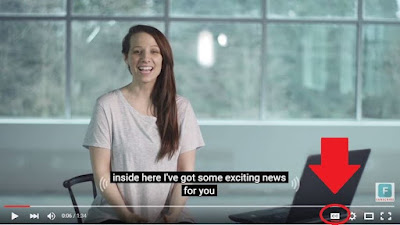
Hard-of-hearing people are provided with captions to understand the videos, films, documentaries, and any other entertainment in the form of video. This is a kind of virtual interpretation attempted for the deaf. It is done mostly for the television content that is for the general public however, hard of hearing people are always catered to in any regard. Therefore, captions are the mode of ASL interpretation for them. Captions are also two types open captions and closed captions. It depends on which one is most beneficial for the deaf in their effective communication. 

Captions for hard of hearing people in video


Conclusion: 

Three ways to offer ASL interpretation services are stated in this research. Video Remote Interpreting Service, Fact to Face, and captions. Sign Language is crucial for hard-of-hearing people, therefore, it’s a mode of communication and keeps on evolving with time. The agencies that offer ASL services also keep them update with the new advancement. Languagers is one such agency that offers a competent, professional, and hardworking team to offer translation and interpretation for the consumers. It curates’ fresh content for its readers. Stay tuned for more such information. 

Wednesday, September 22, 2021

DIFFERENCE BETWEEN SPOKEN LANGUAGE AND AMERICAN SIGN LANGUAGE (ASL) INTERPRETATION SERVICES


American Sign language and Spoken language interpretation are two different coins of the same object that is to improve smooth communication between people. When we talk about sign language interpretation, the visual and manual techniques are used whereas the Spoken language is all about auditory or oral approaches. The differences may arise in case of their communication methods, but the similarities are huge. Both methods count on or are related to body language, emotional perception, facial expressions, and cultural influence to convey the required information in various languages.  

Besides, interpretation services and communication can help people to navigate in life when encountering differences. Now you might assume that these are two totally different languages but let us surprise you by telling that the underlying interpretation process for both are similar. If you assess these two language services carefully, you will understand that they have fewer differences and more similarities in interpretation. The main difference is all about the mode and the techniques which are used. So, lets take a look. 

Sign Language Interpretation 

The professional interpreters help hard of hearing people to communicate better and talk to others with normal hearing. This is used in various areas for example schools, government agencies, concerts, doctor’s offices, hospitals, and much more. When you are using interpreting services, you must clarify the sign language that suits your individual needs for interpretation. To have the face-to face interpretation session, on-site sign language is used to enable us to have a more personalized approach in sensitive or severe situations. This on-site technique is valuable for eliminating cultural and language barriers and ensuring that information and message are correctly understood and interpreted. 

Talking about remote sign language interpretation, this connects the deaf individuals to interpreters through an extremely easy-to-use and complex web platform. This can be used at any site, can be arranged or used on-site, and the waiting time can be lowered. In a medical emergency, there might be no time for professional interpreters to arrive at the site. This seeks to establish a crucial understanding between deaf and hearing people. We at Languagers, know how to offer you the best professional interpretation services so contact us now. 


Spoken Language Interpretation 

When translating into spoken language, there are target and source languages so that people can identify things in their own languages. For individuals with limited English proficiency (LEP), Spoken Language Interpretation ensures that the message is communicated accurately hence the help of professional language interpreters reduce expenses, manages time and handle affairs. This relieves the pressure of an already tensed situation and tackles the language barriers.  

Differences and Similarities 

You can think of oral language or spoken language same. On the other hand, Sign language makes use of facial expressions, voice, and gestures to deliver information. In both sign and spoken language interpretation, grammar has a major part in connecting phrases and words in sentences. In addition, the face movements or face and hands are used in Sign Language interpretation services. Sign language interpretation is usually needed to make sure that all emotions and nuances are communicated with the hard of hearing individuals.  

The complicated structural elements are there in both languages to convey information. Moreover, Sign language does not use vowel-auditory channel while Spoken language does. However, some people claim that these two are more deeply different because arbitrary characters are there in Spoken language and iconic characters in Sign language, respectively.  

So, what do you think about the differences between Sign Language and Spoken Language Interpretation Services? Share with us in the comments below.

Sunday, September 19, 2021

WHY INTERPRETERS FOR HOSPITALS ARE NECESSARY?


Why-interpreters-for-hospitals-are-necessary


 Interpreters for the hospital are as much important as an interpreter for business meeting and in the education sector. Effective communication is crucial. Therefore, there is nothing that can be attempted without successful communication. In hospitals, there is a need for effective communication between the doctors, patients, and their attendants. The interpreter can cause much ease in medical processing. However, often interpreters are not considered crucial in hospitals but to overcome each hurdle in communication interpreters are necessary. Languagers have studied in detail why  interpreters for hospitals are necessary. 

Comfort: 

The patient medical history and condition are elaborated well by the patient itself. It is of utmost importance to make the patient comfortable in speaking. If a language barrier occurs among the patient and the doctor the gist of proper diagnosis is lost. In that case, an interpreter becomes important for communication. Patients and their attendants are comfortable conveying in their language and they explain more clearly. 

Hospital Image: 

 It is highly appreciated by the patients when hospitals favor them in every way to promote their health. Hiring an interpreter improves the hospital services and earns a good name for it. It omits many risks during the proper diagnosis of the disease. Interpreters at hospitals are experienced in interpreting medical concerns. 

Unbiased Interpreter:  

The interpreter needs to remain unbiased while doing medical interpretation. They work under tough situations where important decisions are to be made for the patient health. If the attendant interprets the medical issues for the patient, it’s difficult to remain neutral during this condition. The interpreter remains neutral and capable to interpret tough decisions to the patient and attendants. 

language-barrier-for-Professional-Medical-Interpreters


Lack of preferred language: 

If the patients are not provided with their preferred language they tend to make wrong decisions for themselves. There are many cases where patients give consent to the hospital for their treatment without knowing the risks and benefits of it. It ends up disappointing when the results come. Professional interpreters tend to avoid this miscommunication. 

Modes of Interpreting: 

With technological advancement mode of interpreting have also advanced. There are three modes of interpretation such as on-site interpreting, video remote interpreting, and over-the-phone interpreting. Medical Interpreters are one click away from patients and it is much convenient for them. 

Interpreters are safe to share: 

There is an element of shyness when communicating with the interpreter. The patient often hesitates to share with an interpreter. Sometimes they have suffered the worst phase and they don’t want to share it with anyone but for proper diagnosis it’s important. In that case, interpreters are safe and reliable to share. 

Sign Language Interpreter: 

People heard of hearing needs a medical interpreter for their proper diagnosis. It’s difficult to handle these patients without the aid of medical interpreters. Some hard of hearing are also experts in lip-reading so they communicate without a sign interpreter. There are also cued speech interpreter that provides cues to the deaf. Along with this emergency, room interpreters play a critical role in overcoming the language barrier. In these situations, professional interpreters are required. Hospital also requires an interpreter for mental patients because expressing mental conditions with language barriers are tricky. There are various benefits of medical interpreters such as patients are satisfied, fewer communication errors, and also the fulfillment of legal requirements. 

Conclusion: 

Medical Interpreter has numerous benefits such as they make comfortable the patients with their reference language, hospital earns a good name, interpreters offer unbiased services and less risk of misdiagnosis. Languagers offer professional medical interpreters and they are recruited after numerous tests and trials. You can trust it and proceed to hire through them. 

Saturday, September 18, 2021

CERTIFIED SPANISH MEDICAL INTERPRETER AND ITS TYPES

 Healthcare Sign Language interpretation for Deaf


Medical Interpreters have got the new hype. Its importance is realized recently in healthcare centers. However, the Spanish language is in the trend of interpretation need because of its high spoken rate. Therefore, we are going to explore Certified Spanish Medical Interpreter and its types. The term certified attaches a notion of reliability and professionalism in the service provided. When it comes to healthcare services there isn’t any chance of a mistake. Therefore, professional and experienced medical interpreters are given priority. There is no additional value given to Spanish medical interpreters. As they are like any other medical interpreter whose target language is Spanish. It is offering its services in the Spanish language like any other language interpreted. 

Certified Spanish Medical Interpreter: 

The interpreter has to be proficient in Spanish and English. They are hired to communicate with medical staff. No doubt it is a stressful task as there isn’t any chance of a mistake. A bachelor’s degree is necessary to hold a certification in Spanish medical interpretation degree. Excellent Communication Skills and cultural sensitivity is crucial in the medical interpretation profession. They are required to work mostly in hospitals, clinics, nursing homes, and outpatient centers. The list of the duties of a medical interpreter includes comforting the patient in pain, carry outpatients’ requests, communicating with attendants, and providing accurate information to doctors, nurses, and paramedical staff. Certified Medical Interpreters always have an edge over medical interpreters without the certification.  

Types: 

There isn’t any type of certified Spanish Medical Interpreter. However, Medical Interpreter is one of the types of an interpreter. The interpreters vary in professional titles and settings. They are termed as Legal Interpreter, Conference Interpreter, Guide Interpreter, and Sign Language. The last one is crucial in medical interpretation for deaf and hard-of-hearing people.  

Certified Sign Language Medical Interpreter:  

Certified Sign Language Interpreters are required for hard-hearing people and the deaf community. Its Sign Language and differs from any other language and it is specific for the deaf and hard of hearing people. There isn’t any role of Spanish or any other language but sign language medical interpreters play the same role as medical interpreters for hearing people. Certified Spanish Medical Interpreter is specific for the people who speak Spanish. Sign Language does not hold that limitation.  

Certified Spanish Medical Interpreter and its types

Careers Opportunities for Certified Spanish Medical Interpreter: 

With the toll on multiple languages speakers broadening their horizons and connecting with the Speakers of Universal Language speakers that is English. Many languages are being considered important and one of them is Spanish. Bilingual Employees are in high demand and their compensation is also double. They are considered for both highly skilled and low skilled positions. However Spanish is the second most spoken language in the world. The demand for Spanish Interpreters with certification is ten times more than any other language. According to research conducted Spanish Language is spoken in more than 20 countries. Because of its spoken rate, employers skilled in the Spanish Language are in demand. 

Conclusion:  

Certified Spanish Medical interpreters are in high demand. Bilinguals are preferred over multilingual because of the specification of the two languages. They are considered more proficient in the two languages, they can speak. However, there isn’t any type of certified medical interpreter but the medical interpreter itself has various settings to work in. This profession offers numerous challenges in Emergencies because they are the only source of communication between the patient and the doctor. It’s important to hire a certified medical interpreter to avoid any inconvenience therefore, Languagers offer medical interpreters that are globally experienced and well-recruited to perform medical interpretation. To get informed of the latest update stay tuned. 

Monday, September 13, 2021

WHAT DOES AN ASL MEDICAL INTERPRETER DO?

 ASL medical interpretation in bilingual Language

The interpreter is a medium of communication between a deaf and a hearing person. It is the voice of hard-of-hearing people. The interpretation for the deaf is committed through sign language. American Sign Language is widely used by the deaf community. There are many other languages for sign interpretation but American Sign Language (ASL) is the mixture of local sign language and French sign language that originated some 200 years ago. however, there are specific roles and expectations from American Sign Language medical interpreters. Let’s dig into it. 

Medical interpreters are not concerned: 

American Sign Language medical interpreter or any other interpreter has this condition to work on that is to appear neutral in conversation. Specifically, the medical interpreter is not expected to involve their opinions and views while delivering the interpretation. The conversations and information during medical interpretation must be kept confidential with the interpreter. There is no chance to get them leaked. An interpreter holds this responsibility on their shoulder to show honesty with their profession. 

Language Preservation in medical interpretation: 

With the global usage of sign language and the rise in its interpreters, there are shifts of trends occurring in the deaf community as well as its interpreters. RID’s founders are concerned to preserve the sign language and the linguistic sovereignty of the deaf community that must be secured. ASL medical interpreter plays a significant role in doing so. In the 1965 code of ethics, there is tenet 11 included preserving the language. The interpreter is responsible to maintain the purity in the sign language. 

ASL crosses all borders:

Considering the ASL as an endangered language is a lame concern. Sign language classes are being offered everywhere. Internet is filled with the basics. But the problem arises it is not accessible to the deaf child. It is available for hearing people but for the people who deserve to learn it. Parents of deaf children are ignorant of sign language and its basics. There is no one to guide them but ASL is universal. It does not know any boundaries and limitations so does the medical interpretation.  

Maintenance of the language level:

The answer to what does an ASL medical interpreter does lie in maintaining language level for the deaf individual is tough. There are several competencies in ASL medical interpretation one of them is fluency. To maintain the Language level, it requires to adapt the deaf interpretation to meet the communication need of the deaf patient. ASL medical interpreters must be able to understand the meaning and Intentions in one language to the other especially when the patient is in extreme pain during emergencies.  

Communicating detailed topics: 

While doing medical interpretation there appear several plots in conversation that needs to be interpreted and there are high chances that the interpreter cannot relate to or have knowledge about that topic. ASL medical interpreter is always well-prepared for the upcoming challenges during interpretation. To know more is always helpful. 

medical interpreting skills for deaf community


Medical interpreter possesses bilingual competency: 

ASL medical interpret exhibits the bilingual competencies in language. The knowledge of medical terms and technical vocabulary is essential for medical interpretation. It communicates the medical terms, procedures, and protocols of the health care system in two languages. 

Realize Self-care: 

ASL medical interpreter works in a stressed environment. To resolve the issues, it develops strategies to deal with mental, emotional, social, and spiritual wellness through sports and professional counselors. It monitors personal health and avoids unnecessary exposure to germs and contagious patients. 

Conclusion: 

ASL medical interpreter is responsible for numerous tasks. it includes a demonstration of ASL and English interpreting skills, linguistic competency, cultural knowledge, and fluency in medical discourse. It also adapts the interpretation according to age, gender and culture. Hence languagers are also offering well-grounded medical interpretation services. Check it out 

Friday, September 10, 2021

PERKS OF BEING A GOVERNMENT TRANSLATOR

 Medical Insurance for government translator

Translators play different roles and in various settings as per their job description. The career of a translator and sign language translator has significantly acquired recognition from the past years due to different modes of communication. The industries they work in are healthcare, literary translators, judiciary, community, conference, localizers, sign language, and trilingual. Apart from offering services in the private sector, government organizations also provide opportunities to work for the government as a translator and also provide conference call translation services. Government job exhibits numerous perks. Let’s find out the list: 

 It’s certain: 

Private jobs are uncertain. It is unsure whether the job will last for the next month or not because of financial progress and the company’s performance. Perks of being a government translator and sign language translator count on that the job is permanent. The hiring is executed on a merit basis. For the selection of jobs, numerous interviews and tests are conducted, and the highest scorer is awarded by the position. As compared to private jobs, employees keep on changing the jobs for the better opportunity but in the government sector, it is considered the best. 

Work Environment: 

Working as a translator and representing your country through the department you work in offers you transformation and exposure to work on a large scale and in various dimensions. The work environment provided is skill imparting and growth opportunities are higher as compared to the private sector. Translators and sign language translator work for the state in various departments such as medical, judiciary, and conferences. The government sector provides secure jobs so there is no hustle of searching for the better one. The promotion and rank upgrade is promising. 

Travel and explore: 

Translators tend to travel a lot to provide translations where the work is required. It also brings the chance of exploring new places, cuisines, and people around the globe. The linguistic skills are also enhanced through meeting new people and working in different scenarios and situations. The continual learning process is enabled through traveling and meeting with new people. A translator should never fall short of words and it is important to stay updated with vocabulary learning. 

sign language translator and translation services

Acknowledgment: 

Government Job is acknowledged by society as it is considered to be a safe and promising career option. The benefit of pension with other accommodation is also an attraction for the people. It offers authority to the person for his/her rank and position. The government job has more societal approval than the private job. Element of respect and social status counts greatly in a government job. In a private firm, it takes years to build trust and achieve a rank, and that is uncertain also. But in a government job, it is more sustainable. 

Insurance: 

Government offers complete insurance to its employees for the security of the future. It includes health, medical, dental, and vision insurance for the employee and the family. Electricity, Transportation, and Fuel are also some perks that government employees enjoy throughout their careers. Medical Insurance is a great relief for an employee and their family.  Government employees also receive free medical checkups annually. They care about their employee’s health and wellness because the work and its efficiency rely on the employee’s health. 

Conclusion: 

Perks of being a government translator and sign language translator are listed above that count on job stability, more chance of growth, travel opportunities, social status, respect, pension, and medical insurance. Private Jobs are uncertain and chances of growth are low. If a translator works independently, it is also hard to strive for the pay. The government translator works on fixed pay and also receives paid holidays, vacations and also chance to offer conference call translation services for government. Languagers is also playing their part in supplying qualified translators. Check out the portal to learn more 

Thursday, September 2, 2021

HOW TO BECOME A CERTIFIED SIGN LANGUAGE INTERPRETER?

 Certified language interpretation for sign language

Sign Language has garnered utmost attention in past years. Organizations for deaf people have generated welfare programs to train the sign language interpreter apart from the family members of the deaf. Non-deaf people have also taken the initiative of learning sign language and operate this as a legit career. It gives them chance to be a part of the deaf community. 

Sign Language Learning program: 

It is advised to get proper education about sign language. Hearing people are entering into the profession of deaf interpretation. They have no background and experience in dealing with the deaf. However, the interest of hearing people is established by the sign language associations. They acquire sign language as a second language to become professionals in it. However, formal education is important for hearing people. That counts on a Sign Language Associate degree or certificate of achievement in sign language for deaf and hard of hearing people. Some colleges offer training programs in certified Sign Language Learning.  

Educational institutions have devised extensive programs for sign language certification. Deaf Studies and Interpreter Preparation is the first step in becoming a certified sign language interpreter. Getting a deaf studies certificate is the first milestone completed. After this, the interpreter preparation program is started. Here the student learns special skills for interpretation to learn the language, culture, and interpreting theory, to make effective communication with the deaf. The next step is to apply for an interpreter license and give an assessment to the Educational Interpreter Performance Assessment (EIPA) to enhance the skills. 

Certification of Specialization: 

In learning sign language interpretation, there is a new dimension beyond learning it’s called specialization in any field of sign language interpretation. Pre-certified Interpreters are also working but with certification, the chances of getting hired again and again by the well-reputed companies are higher. With the certification, the compensation amount is also high.  For National Interpreting Certification (NIC) it is encouraged to apply through the Registry of Interpreters for the deaf (RID). This certification is officially accepted worldwide and the interpreter is considered an expert in its field of specialization. This certification comes with many benefits such as the chance of getting a government job and increment in salary package with the exposure of diversity of deaf people. 

Registry of Interpreters for the deaf and interpretation

Children of Deaf Adults (CODAs): 

These children have easy access to become a professional deaf interpreter as they have vast experience with the deaf parent or a relative.  Before the sign language training programs, COADs were more likely to adopt this as a career and it was not hyped. But with the time working for the deaf community and the exceptional services generated for them, sign language learning became popular. But there remains discrimination between CODAs and hearing people acting as an interpreter by the deaf community. The deaf people do not consider them relevant to their cultural background and refuse to communicate openly. However, with time and learning programs, cultural education of deaf is also provided and this gap is filling. 

Interpreter Training Program: 

Basic Sign Language is acquired before entering into the interpreting training program. In this program, they learn critical thinking and ethical responses by the code of professional conduct. It provides them comprehensive portfolio for job seeking and 42 hours of documented supervised work. The curriculum for Sign Language learning includes deaf culture, fingerspelling, and numerical concepts, survey of children with special needs, reading, and composition. 

Conclusion: 

Certified Sign Language Interpreter requires training from the official institutions that have generated a curriculum to address the whole deaf community rather than a small gathering of deaf people. The education is extensive and applicable worldwide. Languagers have exceptional sign language interpreters too that are recognized both nationally and internationally. To know more about our services visit us. 

Wednesday, August 11, 2021

Dos and don'ts in American sign language interpretation

American sign language Interpretation for deaf


American Sign Language Interpretation is a task that needs precision as well as emotional sensitivity towards the deaf person. A sign language interpreter is aware of the emotional turmoil a deaf person experiences in a societal gathering, and the official interpretation requires an emotional connection with the deaf. There are many precautions to take while performing American Sign Language interpretation. It is a task of an interpreter to convey the message effectively as deaf people are insecure about not being able to convey their message to everyone. The interpreter must do such kind of job that the point of the language Interpretation must get across. There is a list of dos and don'ts while attempting sign interpretation. Languagers have thoroughly researched and made some points for their readers. 


Do's:  

Be sensitive: 


Deaf community and their sensitivity are easily navigated when the same situation of not being heard and understood is applied to a normal person existing in the land of foreign languagers. The aggression brings by not being able to communicate, and things would not be executed according to your ways is unimaginable. A sign interpreter must be sensitive when around a deaf person and try to connect with that person so he/she may feel relax and communicate properly through signs. This way an interpreter will also do their task efficiently. 


Fingerspell: 


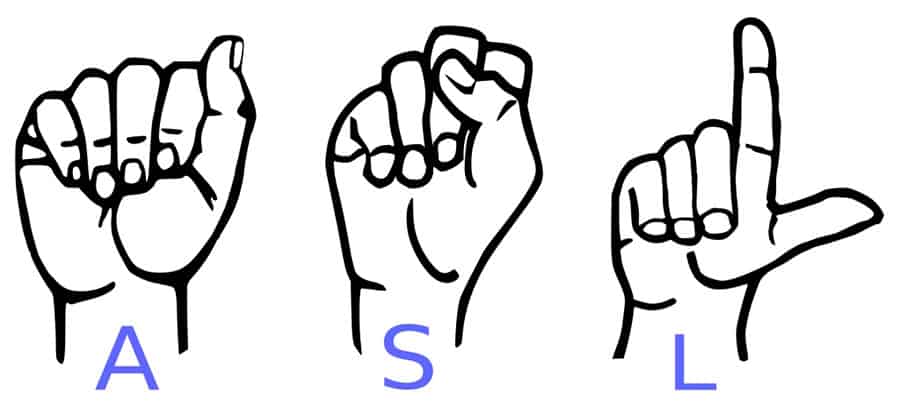
It is convenient for deaf people to understand the alphabet through fingerspelling. While doing the introduction an interpreter must fingerspell its name first to make a friendly approach towards the deaf. It is good to tell the interpreter's name first in signs of alphabets. The deaf community gives name signs to the people and they expect to be treated in the same way. 


Stable Body Language: 


While doing American Sign Language interpretation, an interpreter's body language is important to develop comfort with the deaf. Stable hand movements and eye contact are crucial to understanding the other expression. Interpreter should get the attention of a deaf person because the purpose of its service is to make the hearing people understand about the deaf. Hearing senses are disabled but its sense of touch is able and the interpreter can tap the arm or the knee of the deaf to make him/her attentive that the interpreter is all set to communicate. Pounding the feet also send vibrations to the deaf.  


Don'ts 


Do not talk fast through signs: 


It's a communication barrier between the deaf and the interpreter if signs are made too fast. The deaf is unable to understand because of the first interaction and also there is a chance of poor cognitive skill so to be on the safe side and make the conversation effective slow signs should be made to get the best outcome. 


Stop Calling names: 


It's highly unethical to label someone by their physical or mental disability. To summon a person his/her name is always called but in cases of disable people, we call them blind, deaf, or dumb. The actions are taken by the authorities and it is suggested to use the word deaf, or visually impaired. These words do not describe their inabilities of senses rather the disability is addressed as natural impairment.  


Interpreter for conversation in American sign Language


Switch Abruptly: 


It is not recommended to change the conversation while talking with the deaf abruptly. It's a rule for the interpreter to make aware the deaf person of the conversation topic and details. Without warning never try to change the topic of the conversation. 


Conclusion: 


There is an extensive list made for the dos and don'ts in American Sign Language Interpretation. The do's list includes being sensitive, always fingerspell your name to make an impression on the deaf, and develop stable body language. The don'ts list includes never change the topic of the conversation suddenly, never make fast signs, and don't be insensitive while calling names to the deaf and other physically challenged people. 

ASL VIDEO INTERPRETATION SERVICES: HOW DO THEY HELP PATIENTS WITH HEARING DISABILITIES?

Although American Sign Language (ASL) interpreters play a crucial role for the people and especially for the whole deaf community but the ad...